
Bringing a child into the world is a transformative experience, one filled with love, anticipation, and often, unexpected turns. For many mothers, a Cesarean Birth becomes a necessary part of their birth story—whether planned, unplanned, or chosen for personal or medical reasons. While the focus is often on healing the abdominal incision, an important but often overlooked aspect of postpartum recovery is pelvic floor health.
Many assume that because a C-section bypasses vaginal delivery, the pelvic floor remains unaffected. However, pregnancy itself, along with the surgery and postpartum changes, can have a profound impact on pelvic health. From core weakness and incontinence to pelvic pain and pressure, mothers who have birthed via Cesarean can experience a range of symptoms that deserve understanding, attention, and care.
If you are navigating this journey, know that you are not alone. The road to recovery is unique for every mother, and prioritizing your well-being is not just beneficial—it’s essential.
In this article, we’ll explore how a Cesarean Birth can influence pelvic floor health and the gentle, effective ways to support your body’s healing. Your strength, resilience, and self-care matter, and we are here to walk this path with you.
Scar Tissue & Myofascial Release
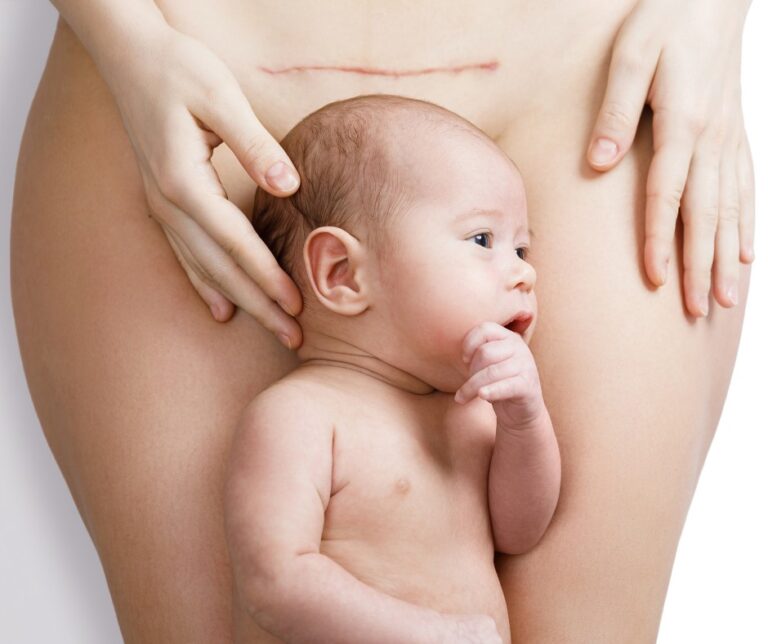
Whenever tissue is injured, the body responds by forming scar tissue — a crucial part of the healing process. Without it, our bodies wouldn’t be able to repair themselves and regain function so that we can return to the activities we enjoy. However, when scar tissue from a Cesarean birth is not properly addressed and treated by a qualified professional, such as a pelvic floor therapist, it can lead to persistent issues even years or decades later.
These may include back pain, pelvic discomfort, pain during intercourse, digestive problems, frequent or urgent urination, and incontinence.
Myofascial release is a gentle yet effective therapy that can help reduce scar tissue’s impacts on the nearby muscles, nerves, and organs. After a Cesarean Birth, scar tissue creates adhesions that restrict movement and contribute to pain, tightness, and dysfunction in surrounding muscles and organs.
Myofascial release works by applying pressure in specific directions and forces to these areas, helping to release restrictions, improve circulation, and restore function.
Incorporating myofascial release into postpartum recovery can alleviate symptoms such as pelvic pain, lower back discomfort, restricted abdominal movement, and even digestive or bladder issues.
Breathwork and Gentle Exercises for your Pelvic Floor and Core Post-C-Section

- In the early weeks following a Cesarean birth, focus on resting and recovering rather than pushing yourself into high-demand movement, lifting, or exercise.
Diaphragmatic breathing is a wonderful way to start to connect with your core, lower abdomen, and pelvic floor again, as well as improve lymphatic drainage and promote healing.
– When practicing diaphragmatic breathing, keep your neck, shoulders, and abdomen very relaxed.
– Allow the breath to enter through the nose and expand the belly, sides, and back of the body.
– On the inhale, feel the pelvic floor gentle lengthen downwards towards your feet.
– Keep your awareness on the gentle movement of your core.
Your pelvic floor therapist can help you return to the activities you love at a safe pace, so that the healing process is not disrupted.
Common Post-C-Section Symptoms & How Pelvic Therapy Helps
Some of the most common symptoms experienced after a Cesarean Birth include
- lower back or pelvic pain
- digestive issues such as constipation and bloating
- pain during intercourse
- urinary urgency or leakage,
- abdominal or core muscle weakness
- pelvic muscle weakness
There are also often emotional challenges such as frustration, disappointment, or anxiety about recovery.
The pelvic floor therapists at Pelvic Soul are here to guide you through this recovery with compassion and expertise. For your convenience, we offer home visits to anyone who would prefer to stay in the comfort of their own home during early postpartum recovery.
When to Start Pelvic Floor Therapy After a C-Section
We recommend starting pelvic floor therapy (either in the office or a home visit) 4 weeks after the Cesarean birth.
Anyone who has birthed via Cesarean should seek pelvic floor therapy support to optimize healing and reduce unwanted symptoms or risk for future symptoms.
At Pelvic Soul, we understand that true healing goes beyond addressing isolated symptoms—it requires a comprehensive approach that considers the body as an interconnected system. Our specialized care integrates hands-on therapies like osteopathic manipulation therapy, myofascial release, visceral manipulation, and scar tissue mobilization, alongside tailored movements that strengthen the core and improve posture.
Whether you’re experiencing ab & low back discomfort, pelvic dysfunction, or simply seeking proactive care, our goal is to guide you through a sustainable recovery journey — one that nurtures long-term strength, mobility, and overall well-being.
🌿 Ready to Begin Your Healing Journey?
Mental & Emotional Aspects of C-Section Recovery

An unexpected C-section can bring more than physical pain—it can shake your sense of control, stir up feelings of grief, and leave you questioning your experience.
You may feel torn between joy for your baby and sadness over the birth you didn’t plan. That emotional conflict is real and valid.
Many mothers wrestle with guilt, “what ifs,” or a sense of disconnection from their birth story.
Healing from a C-section—especially one that wasn’t part of your original plan—means tending to both your body and your emotions. It’s okay to need time to process the experience, even if you’re proud of the outcome.
Talking openly, finding support, and honoring your feelings—whatever they may be—are powerful steps toward feeling grounded and whole. Your birth story is uniquely yours, and it deserves to be held with pride, compassion, and respect.
The Role of Bodywork and Movement Therapy in supporting Emotional Wellbeing
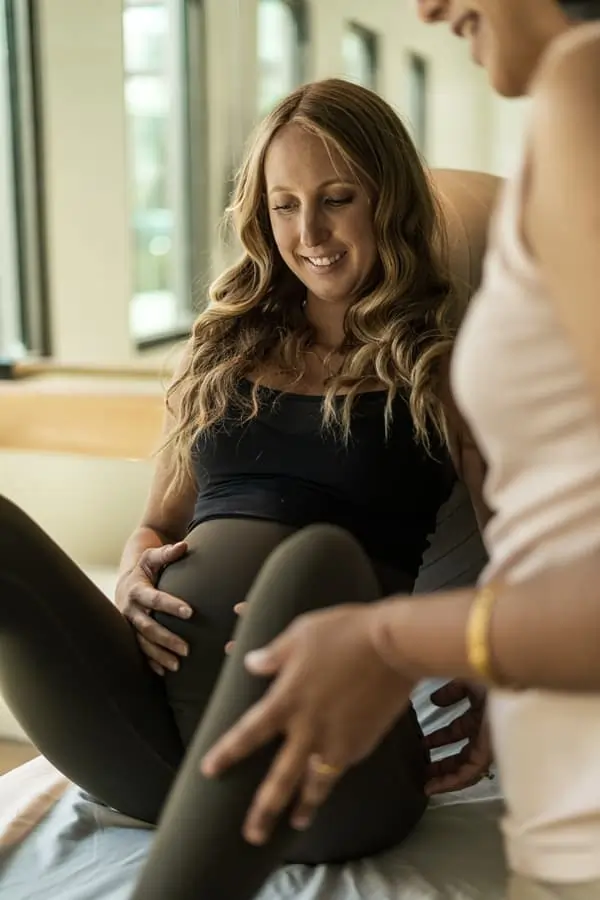
Bodywork and movement therapy help bridge the gap between the mind and body, which can feel disconnected after an unexpected or medically complex birth.
Techniques like massage, myofascial release, craniosacral therapy, or gentle yoga can support the body’s healing while also inviting a sense of safety and presence back into your physical self. For many, this reconnection is deeply emotional—it can release held tension, suppressed feelings, or even trauma stored in the body.
Movement therapy—like somatic experiencing, trauma-informed yoga, or dance/movement therapy—lets emotions move through the body, rather than staying stuck. It provides a non-verbal way to process experiences that are hard to articulate.
Even gentle, mindful movement can help restore a sense of grounding and control, which is especially important when birth didn’t go as planned.
Preparing for a C-Section with Prenatal Pelvic Floor Therapy
Prenatal pelvic floor therapy can significantly improve C-section outcomes by preparing the body for both pregnancy and postpartum recovery—even if a Cesarean birth is planned or becomes necessary.
A strong, well-coordinated pelvic floor can help support the weight of pregnancy, reduce strain on the core and back, and improve overall mobility and comfort leading up to birth.
Importantly, pelvic floor therapy also emphasizes breathwork, body awareness, and gentle core engagement, which can aid in smoother surgical recovery by enhancing circulation, reducing fascia tension, and supporting tissue healing.
Additionally, working with a pelvic floor therapist before birth helps you build a connection with your body that can carry over into postpartum.
You’ll be more familiar with your anatomy, better equipped to manage post-surgical sensations, and more confident in how to safely begin gentle movement and recovery exercises.
In short, it’s not just about physical strength—it’s about setting the stage for a more informed, empowered, and supported healing process after a C-section.
We Invite You to join our Birth Story Circle

Women truly heal in community, and we offer Birth Story Circle meetings each month. Sharing your birth story with other women can be incredibly healing—it creates space for connection, validation, and understanding.
Whether your story unfolded exactly as planned or took unexpected turns, speaking it out loud helps you make meaning of what happened and how it shaped you. It reminds you that you’re not alone in your feelings, and it gives others permission to share their truths, too.